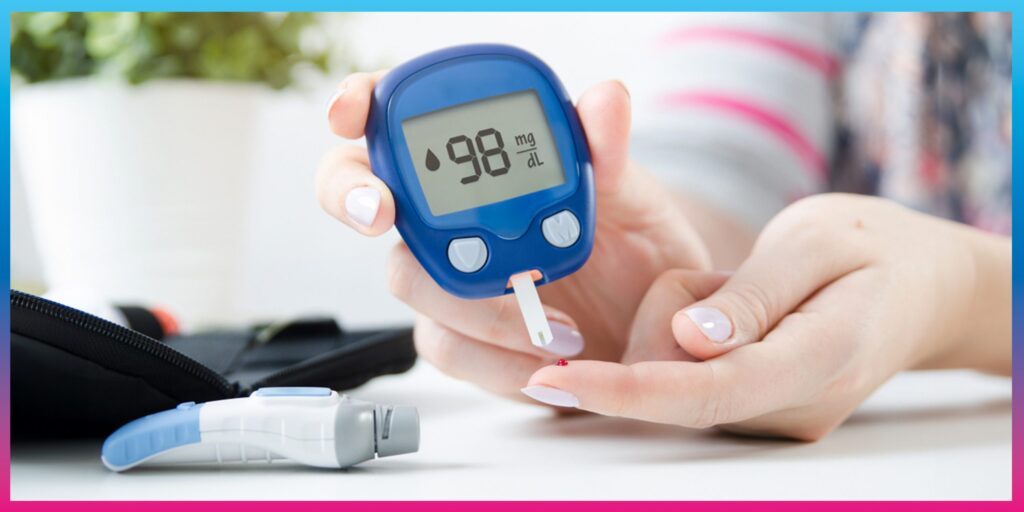
How They’re Connected
- Morning natural sunlight helps regulate the body’s circadian rhythm, which controls insulin release
- Proper circadian alignment improves insulin sensitivity, helping cells absorb glucose better
- Sunlight exposure supports vitamin D production, which plays a role in blood sugar control
- Natural light reduces stress hormones like cortisol, preventing blood sugar spikes
- Bright daylight helps maintain healthy sleep cycles, and good sleep is linked to stable glucose levels
- Spending time outdoors encourages physical activity, further improving blood sugar balance
- Reduced artificial light exposure at night supports better metabolic health
Simple tips:
- Get 15–30 minutes of morning sunlight daily
- Open windows and let sunlight into your home or workspace
- Avoid bright screens and artificial lights late at night
Small lifestyle changes like soaking in natural light can support better blood sugar management naturally.