🌾 What is Quinoa?
Quinoa (pronounced KEEN-wah) is a gluten-free seed that is cooked and eaten like a grain. Though often called a “super grain,” quinoa is actually a pseudocereal, not a true cereal grain like wheat or rice. It originated in the Andes region of South America, especially in Peru and Bolivia, and has been consumed for over 5,000 years.
✅ Nutritional Advantages of Quinoa
Quinoa is often labeled a superfood because of its rich nutrient profile:
💪 1. Complete Protein
- Contains all 9 essential amino acids, making it one of the few plant-based complete proteins.
- Ideal for vegetarians and vegans.
🧠 2. Rich in Vitamins & Minerals
- High in magnesium, iron, zinc, potassium, calcium, B-vitamins (especially B1, B2, B6), and vitamin E.
💖 3. High in Fiber
- Supports digestive health and helps in cholesterol regulation.
- Keeps you fuller longer—great for weight management.
💡 4. Low Glycemic Index
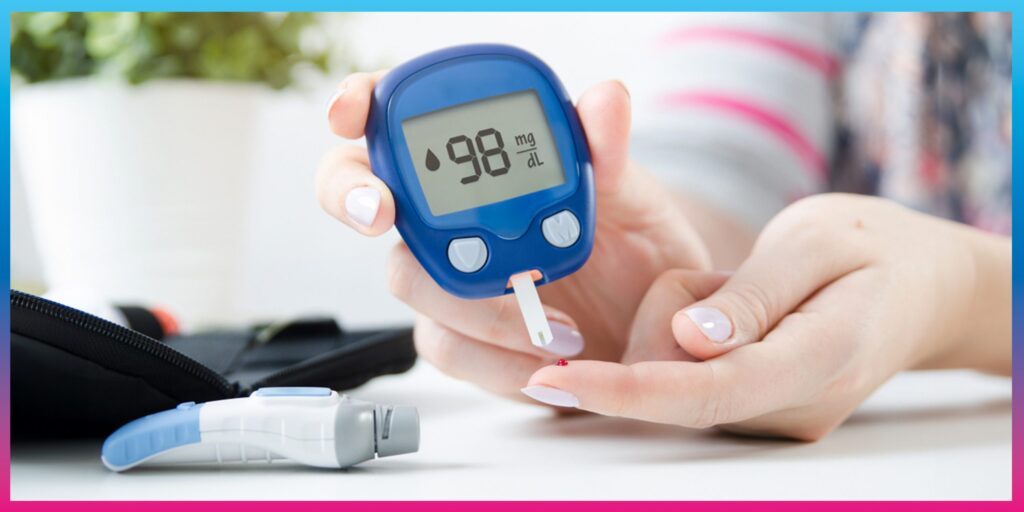
- Helps control blood sugar levels — suitable for diabetics.
🛡 5. Gluten-Free
- Naturally gluten-free, perfect for those with celiac disease or gluten sensitivity.
🌱 6. Antioxidants
- Contains quercetin and kaempferol, powerful antioxidants with anti-inflammatory effects.
🍽️ How to Use Quinoa in Food
Quinoa is extremely versatile and easy to cook. It has a mild, slightly nutty flavor.
🔹 1. As a Rice Substitute
- Use quinoa in place of rice in dishes like:
- Pulao / Biryani
- Fried quinoa (instead of fried rice)
- Quinoa curd rice
🔹 2. In Salads
- Cold or warm quinoa salads with:
- Veggies, nuts, lemon dressing
- Feta cheese, olives (Mediterranean style)
- Avocado, beans, corn (Mexican style)
🔹 3. Breakfast
- Quinoa porridge with milk, nuts, and fruits
- Quinoa upma or idli batter (mixed with lentils)
🔹 4. In Soups or Patties
- Add to soups/stews for thickness and protein
- Make quinoa cutlets or tikkis for kids
🔹 5. Baked Goods
- Use quinoa flour in gluten-free baking (bread, muffins, pancakes)
👶 Is Quinoa Safe for Children or Pregnant Women?
Yes! Quinoa is:
- Safe for babies (from 8+ months) in soft, mashed form
- Rich in iron and folate — beneficial during pregnancy
- Great for kids and toddlers as a protein-rich grain alternative
🔍 Tips for Cooking Quinoa
- Rinse well before cooking to remove natural bitterness (saponins)
- Cook in 2:1 water to quinoa ratio; simmer 15–20 minutes
- Fluff with a fork before serving
❗ Precautions
- Not common, but some may experience bloating or mild allergic reactions
- Start with small portions if new to your diet
⚖️ Is Quinoa Helpful for Weight Loss? — ✅ Yes, it can help!
How Quinoa Supports Weight Loss:
- High in Protein
- Keeps you full longer, reducing overeating
- Boosts metabolism and supports muscle maintenance during weight loss
- Rich in Fiber
- Helps with digestion
- Slows stomach emptying, reducing hunger pangs
- Low Glycemic Index
- Maintains stable blood sugar, reducing cravings
- Good for people with insulin resistance or PCOS
- Nutrient-Dense, Not Calorie-Dense
- Small quantities provide vitamins, minerals, and amino acids without high calories
✅ Conclusion: Quinoa is a healthy carb that promotes satiety and balanced nutrition—making it excellent for weight loss diets.
🎗️ Can Quinoa Help Prevent Cancer? — ✅ Supports Prevention, but Not a Cure
How Quinoa May Help Lower Cancer Risk:
- Rich in Antioxidants
- Contains quercetin and kaempferol, known to fight free radicals that damage cells and may lead to cancer
- Anti-inflammatory Properties
- Chronic inflammation is a cancer risk factor—quinoa’s natural compounds may help reduce it
- High Fiber Content
- Diets high in fiber are linked with a lower risk of colon and breast cancer
- Plant-Based Proteins
- A plant-forward diet is linked with reduced risk of several cancers
❗ Important Note:
- Quinoa is not a medicine and cannot cure cancer.
- It is one part of a healthy lifestyle that supports disease prevention, especially when combined with fruits, vegetables, exercise, and stress management.