Maintaining good health isn’t just about treating illnesses—it’s about preventing them before they begin. While women often visit gynaecologists for routine checkups, many men tend to skip regular screenings, leading to late detection of health issues. Today, healthcare experts, including gynaecologists, emphasize that preventive care is equally essential for men, especially as lifestyle diseases rise.
Here is a complete list of essential health tests that every man should undergo at different stages of life—shared from a preventive healthcare perspective.
1. Blood Pressure Screening
High blood pressure is a silent threat that increases the risk of heart disease, kidney failure, and stroke.
Frequency: Once every 2 years if normal; annually if borderline or high.
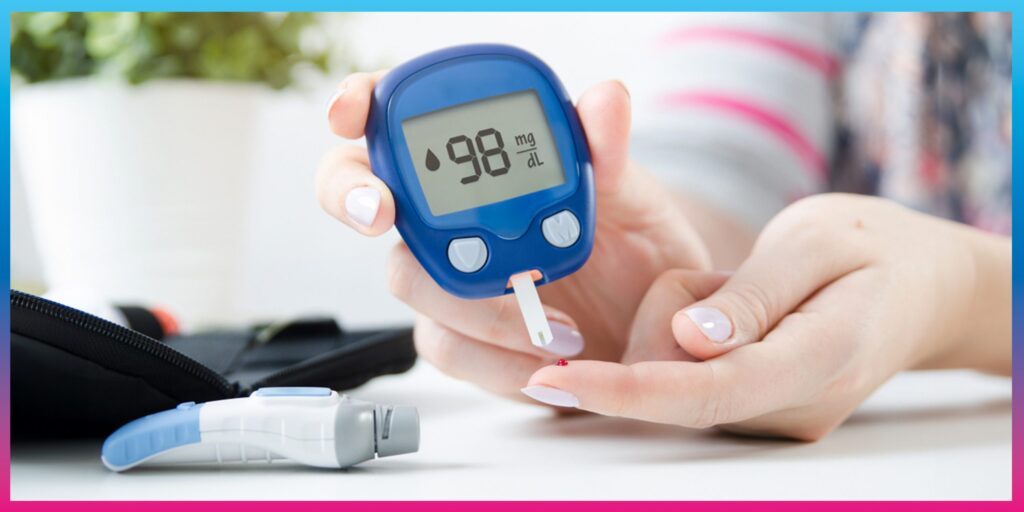
2. Blood Sugar (Fasting & HbA1c)
With rising diabetes cases, regular glucose screening is crucial for early detection.
Frequency: Every 1–3 years depending on family history, weight, and lifestyle.
3. Lipid Profile (Cholesterol Test)
This test helps assess the risk of heart disease by measuring LDL, HDL, and triglycerides.
Frequency: Every 4–6 years; more often if overweight or diabetic.
4. Thyroid Function Test
Hormonal imbalance affects energy levels, weight, mood, and metabolism.
Frequency: Once a year or as recommended.
5. Liver & Kidney Function Tests
These tests help identify liver damage, fatty liver disease, kidney stones, and renal impairment—common issues due to lifestyle changes.
Frequency: Once a year.
6. Complete Blood Count (CBC)
A basic yet essential test to detect anemia, infections, and immune disorders.
Frequency: Annually.
7. Vitamin D & Vitamin B12
Deficiencies can cause fatigue, nerve issues, and bone weakness—extremely common in men of all ages.
Frequency: Once a year.
8. Prostate Health Screening (PSA Test)
Prostate cancer is one of the most common cancers in men. Early detection saves lives.
Recommended Age:
- 50+ years for average risk
- 40–45 years if there is a family history
9. Testicular Self-Examination
Men aged 15–40 must regularly check for lumps or swelling to prevent late-stage detection of testicular cancer.
Frequency: Monthly self-check.
10. Colon Cancer Screening (Colonoscopy/FIT Test)
Very important for early detection of colorectal cancer.
Recommended Age:
- Start at 45 years or earlier if there’s a family history.
11. Bone Density Test
Men too are at risk of osteoporosis, especially after 60 or due to Vitamin D deficiency.
Frequency: Once after 60; earlier if advised.
12. STD/STI Screening
For sexually active men, screening for HIV, syphilis, hepatitis, and other STDs helps ensure reproductive and overall health.
Frequency: Yearly or based on lifestyle.
13. ECG / Stress Test
Heart health assessments are crucial as cardiac issues are increasing in younger men.
Frequency:
- ECG: annually after age 35
- Stress test: after 40 or if symptomatic
14. Eye & Dental Checkups
Often overlooked, but vital for long-term well-being.
Frequency:
- Eye exam: every 2 years
- Dental exam: every 6 months
Why Preventive Screening Matters
Routine health check-ups help:
✔ Detect diseases early
✔ Prevent complications
✔ Monitor lifestyle-related risks
✔ Improve longevity and quality of life
With rising stress, sedentary habits, and changing diets, men must take proactive steps toward their health-not wait until symptoms appear.
Final Thoughts
Preventive screenings aren’t just for women. Men too need structured health check-ups at every stage of life. By staying informed and getting regular tests done, men can protect their long-term health, reduce risk of chronic diseases, and enjoy a healthier, more active life.