Many believe that daily exercise guarantees a healthy heart — but that’s not entirely true. While regular workouts play a vital role in maintaining cardiovascular health, doctors warn that heart problems can still occur even in people who exercise daily. So, what’s going wrong? Let’s explore the lesser-known factors that can undermine heart health and what you can do to protect it.
1. Exercise Alone Isn’t Enough
Physical activity strengthens the heart, improves circulation, and helps maintain a healthy weight — but exercise is just one part of the equation. Cardiologists emphasize that poor lifestyle habits, stress, or undiagnosed medical conditions can silently counteract the benefits of regular workouts.
Even athletes and fitness enthusiasts can face heart issues if other risk factors are ignored.
2. Hidden Causes Behind Heart Health Decline
a. Poor Diet Choices
A person may exercise daily but still consume foods high in trans fats, sugar, and sodium. Such a diet leads to cholesterol buildup, high blood pressure, and arterial inflammation, all of which increase the risk of heart disease.
b. Chronic Stress
Constant stress triggers the release of cortisol and adrenaline, which over time can raise blood pressure, damage arteries, and cause irregular heart rhythms.
c. Lack of Quality Sleep
Sleep is essential for heart repair and hormone balance. Inadequate sleep (less than 6 hours per night) has been linked to hypertension, obesity, and increased cardiac strain.
d. Ignoring Regular Health Checkups
Many people assume they’re healthy because they exercise. However, silent issues like high cholesterol, diabetes, or genetic heart conditions can progress unnoticed without routine checkups.
e. Overtraining and Inadequate Recovery
Pushing the body too hard without enough rest can lead to inflammation, elevated heart rate, and even arrhythmias in extreme cases.
3. What Should Be Done
✅ Follow a Heart-Healthy Diet
Include foods rich in fiber, antioxidants, and healthy fats such as:
- Oats, lentils, and green leafy vegetables
- Fresh fruits and berries
- Olive oil, nuts, and seeds
- Lean proteins like fish and tofu
Avoid processed foods, fried snacks, and sugary beverages.
✅ Prioritize Sleep and Stress Management
Aim for 7–8 hours of quality sleep and practice relaxation techniques such as yoga, meditation, or deep breathing to manage stress levels.
✅ Balance Exercise with Rest
Opt for a mix of cardio, strength training, and flexibility exercises, and allow your body time to recover between intense sessions.
✅ Undergo Regular Screenings
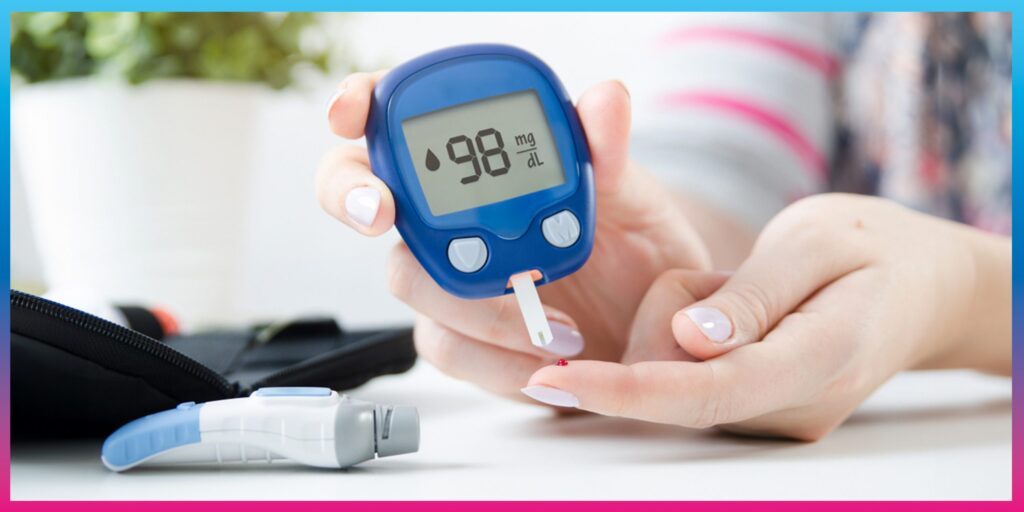
Even if you feel fit, it’s crucial to monitor your blood pressure, blood sugar, cholesterol, and ECG regularly — especially after age 30 or if there’s a family history of heart disease.
✅ Stay Hydrated and Avoid Smoking & Excessive Alcohol
Small lifestyle changes like quitting smoking, moderating alcohol intake, and staying hydrated can significantly improve heart function.
4. Key Takeaway
Daily exercise is a cornerstone of heart health — but it cannot outweigh poor diet, unmanaged stress, or skipped health checks. A holistic approach that combines physical activity, balanced nutrition, mental wellness, and regular monitoring is the real key to a healthy heart.
Conclusion
As doctors often say: “You can’t outrun a bad lifestyle.” Exercise is vital, but true heart health comes from nurturing your body, mind, and daily habits. Start with small, consistent steps — your heart will thank you for it.